What Is Valeda Treatment for Dry Macular Degeneration?
Valeda is a light-based therapy and the first device the FDA has authorized to treat dry age-related macular degeneration. It uses carefully tuned wavelengths of red and near-infrared light, an approach called photobiomodulation, to support the working cells of the retina, slow the disease, and, in many patients, improve vision. For decades, people with dry…
Read More
Eye Institute’s Dr. Prema Abraham is proud to offer new FDA-Approved treatment for Dry Macular Degeneration
The Eye Institute is proud to announce the arrival of Valeda™, a revolutionary, FDA-approved therapy for the treatment of dry age-related macular degeneration (AMD), now available to patients in Rapid City. This state-of-the-art technology utilizes photobiomodulation (PBM) to target the root causes of the disease at the cellular level, offering new hope for patients managing…
Read More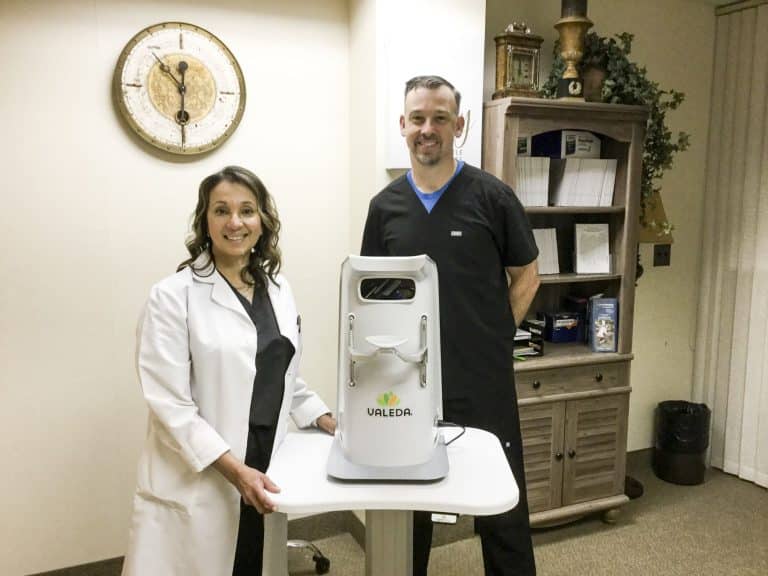
Providing Specialized Eye Care in Gillette, WY
At Black Hills Regional Eye Institute, we are dedicated to providing our patients with convenient access to the specialized eye care they need. That’s why we operate seven satellite offices across South Dakota and Wyoming, including our location in Gillette, WY. Learn more about the services offered at our Gillette office and how they benefit…
Read More
Myths Vs. Facts of Age-Related Macular Degeneration
How much do you know about Age-Related Macular Degeneration (AMD)? With February being AMD Awareness Month, we thought it would be the perfect time for us to clear up any myths and misconceptions regarding this common eye condition that affects millions of people worldwide. Understanding the facts about AMD is crucial for early detection and…
Read More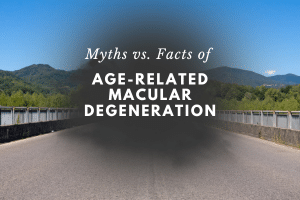
Age-related Macular Degeneration (AMD) Overview
Eye Health & Facts,Reading Vision,Retina
Did you know that February is Age-related Macular Degeneration Awareness Month? Well, allow us to tell you more about this disease and what you can do to get the best and earliest treatment for AMD. Read on to learn more! What is Age-related Macular Degeneration? Age-related Macular Degeneration affects the back of the eye, the…
Read More
Diabetic Eye Health Tips
Cataracts,Eye Health & Facts,Glaucoma,Retina
November is Diabetic Eye Disease Awareness Month, making it the perfect time for us to share some information and tips to help those with diabetes maintain their eye health and vision. What is Diabetic Eye Disease? Diabetic eye disease is a group of eye problems that people with diabetes may face as a complication of…
Read More
November is Diabetic Eye Disease Awareness Month
The disease can lead to a group of eye problems people with Diabetes may face as a complication to the disease, including Diabetic Retinopathy, Cataracts, and Glaucoma. Because Diabetic eye disease often has no early symptoms it is important to have a comprehensive dilated eye examination at least once a year. You can also take…
Read More
Age-Related Macular Degeneration Month
February is Age-Related Macular Degeneration Month. Did you know that Macular Degeneration is the number one cause of vision loss and there is no cure, so it’s important to treat it as soon as possible. How it works: Macular degeneration occurs when the central portion of the retina (macula) deteriorates. Because the macula is responsible…
Read More
Tiny Telescopes Restore Sight to Patients with Macular Degeneration
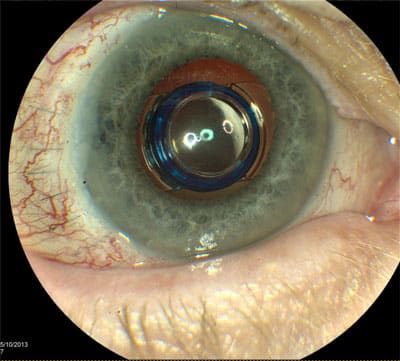
The miniature implantable telescope (IMT) is a new technology designed to help those with vision loss from macular degeneration. The IMT helps magnify targets in central vision, approximately 2.5 times onto healthy retina so central vision is improved. The following article highlights the experience two patients who have received the IMT from Dr. Khachikian. http://rapidcityjournal.com/lifestyles/health-med-fit/tiny-telescopes-restore-sight-to-macular-degeneration-patients/article_2b90bc98-1cdf-596c-a888-92971e9cdd6d.html…
Read More
Implantable Telescope Helps Those with Macular Degeneration
Age-related macular degeneration (AMD) is the leading cause of blindness in people over 65. Those with end stage AMD, have lost the ability to see and do many of the activities they love, such as reading, cooking, watching TV, and even recognizing faces and facial expressions of those literally in front of them. The AMD…
Read More