
What Are Some Benefits of LASIK Vision Correction?
There are many benefits to this laser vision eye surgery, including:
Significant Improvements to Vision!
The latest research reports 90% of LASIK patients achieve 20/20 vision or better, while 99% of patients achieve 20/40 vision or better. In addition, LASIK has an unprecedented 96% patient satisfaction rate – the highest of any elective procedure.
Minimal Recovery Time
Most patients can return to their daily schedule 24 hours after surgery. There are also minimal limitations after surgery.
Affordable
The cost of laser eye surgery has shown to pay for itself and save you money when compared to the cost of glasses and contact lenses. For those that are interested in financing their procedure, we offer care credit financing to those who qualify.
Fast Results
While you are not allowed to drive right after your surgery and need to take some special precautions, most patients report improvements to their vision by the following morning.
What are the Risks of LASIK?
Millions of Americans have had LASIK/LASIK vision correction. Like any surgery, there are risks to LASIK including:
- Vision problems such as halos, glare, and starbursts
- Dry eye
- Flap complications
- Under or over-correction
- Eye infection
- Vision loss (very rare)
Alternatives to LASIK?
Not all patients are good candidates for LASIK due to thin corneas or other conditions. The Eye Institute offers the following procedures as an alternative:
- PRK
- Monovision LASIK
- Intacs® corneal implants
- Visian ICL
Less than 1% of LASIK patients experience these surgical complications. Some ophthalmologists believe the long-term risk of wearing contact lenses can exceed the one-time risk of LASIK. The FDA has stated that wearing contacts can put you at risk of serious eye problems including eye infections and corneal ulcers.
We offer free consultations for LASIK in Rapid City, SD and at our satellite clinic in Gillette, WY. On the day of your free consultation, you will meet with our Laser Vision Center Director, Dr. Scott Schirber and our dedicated LASIK team who will perform a variety of tests to confirm if you are a good candidate for surgery or not. We will explain your options at this time and provide you with a cost sheet so you can make the best decision for you and your lifestyle. If you have astigmatism, you are most likely to still be a candidate for LASIK.
LASIK FAQs

Find Out if You’re a Candidate with a free consultation!
We offer free consultations for LASIK in Rapid City, SD and at our satellite clinic in Gillette, WY. On the day of your free consultation, you will meet with our Laser Vision Center Director, Dr. Scott Schirber and our dedicated LASIK team who will perform a variety of tests to confirm if you are a good candidate for surgery or not. We will explain your options at this time and provide you with a cost sheet so you can make the best decision for you and your lifestyle. If you have astigmatism, you are most likely to still be a candidate for LASIK.

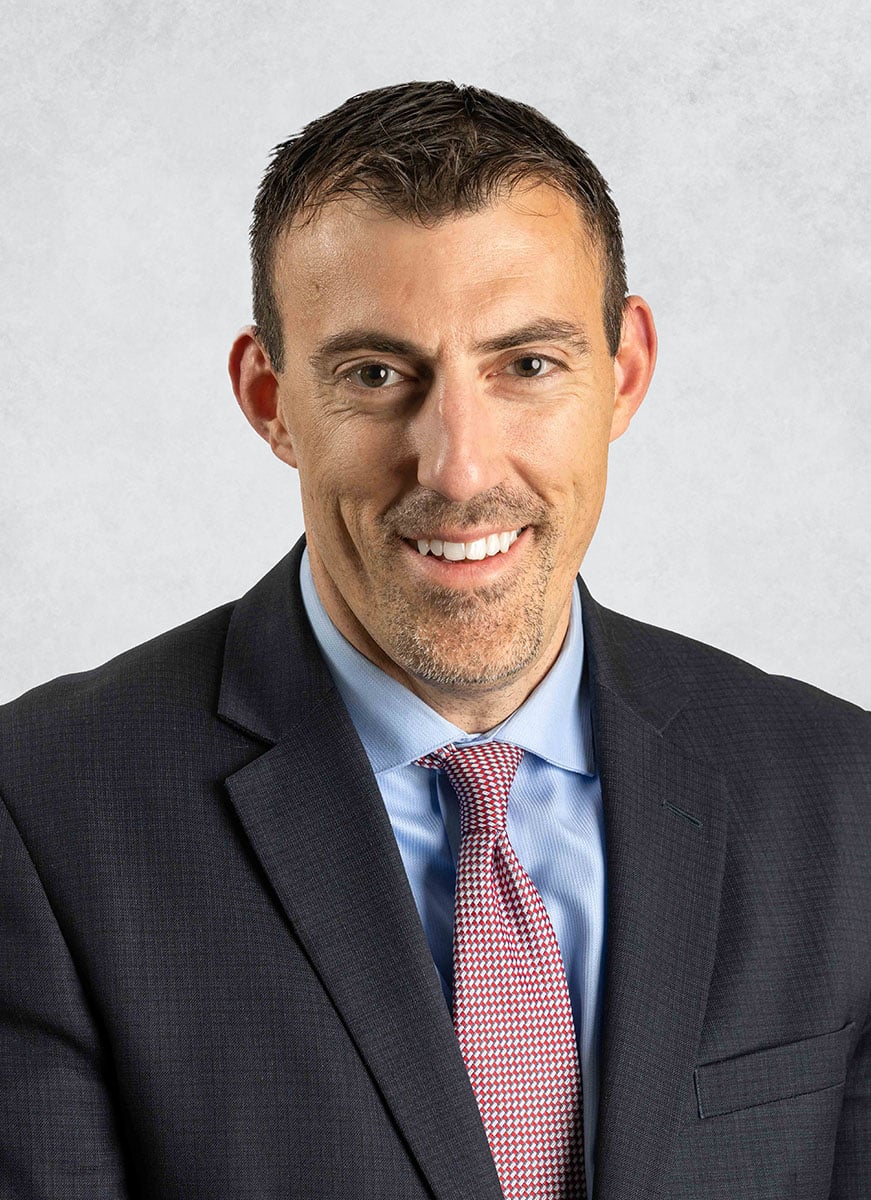
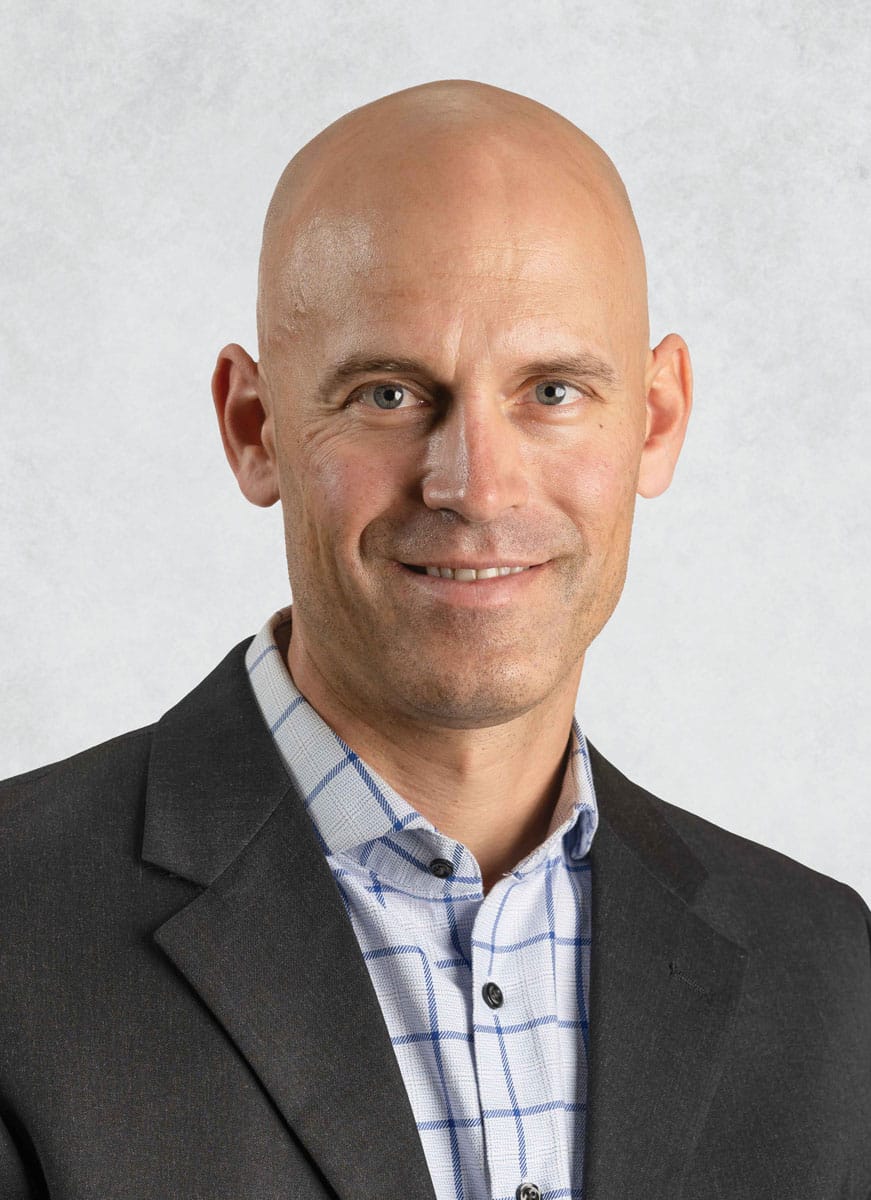
Our LASIK Specialists