




We Specialize in the Most Advanced Cataract Surgery Technology
The technology we use combined with the experience of our surgeons are why so many patients trust the Black Hills Regional Eye Institute for their Cataract Surgery needs.
At the Black Hills Regional Eye Institute, we perform over 3,500 eye surgeries every year. Our surgeons travel to many satellite clinics and surgical locations throughout South Dakota and Wyoming to make surgery as accessible and convenient as we can for all of our patients.
We prioritize the unique needs of each patient, ensuring a personalized approach to cataract care. Our team is dedicated to guiding you through every step of the process, from initial consultation to post-surgery follow-up appointments.
Are you developing cataracts or have you been told by an eye doctor that you are in the early stages of developing cataracts? There is no need to panic, Black Hills Regional Eye Institute is here for you. Over the past 30 years, there have been huge advances made in Cataract Surgery technology, which we utilize as the leading providers of cataract surgery in Rapid City, SD. We are proud to leverage advanced diagnostic and surgical technologies for precise and effective cataract care.

What is Cataract Surgery?
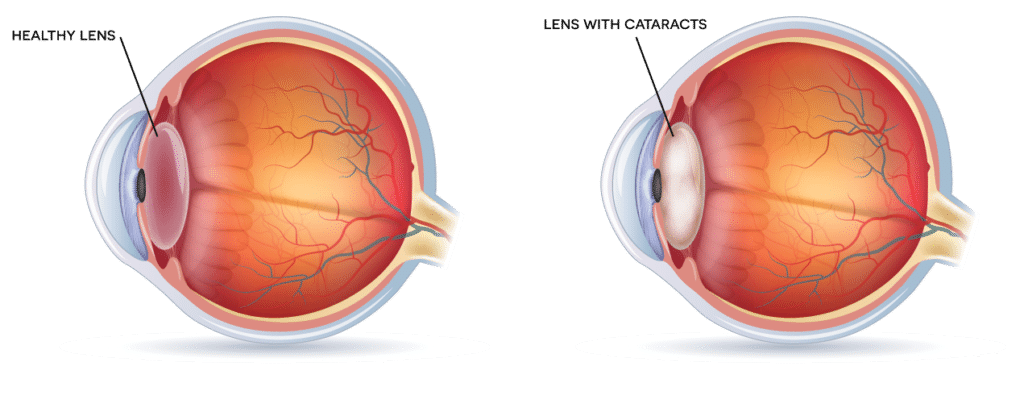
Cataract Surgery is a safe and relatively simple outpatient procedure where the natural lens inside of the eye that has become cloudy from cataract formation is removed and replaced with an artificial lens, called an Intraocular Lens (IOL). Generally, Cataract Surgery is done on an outpatient basis and normally takes between 15 to 30 minutes. Patients who have had Cataract Surgery experience little to no pain and often can return to their normal routine the following day.
What are My Cataract Lens Options?
There are five lens options available, allowing you to choose the lens that best fits your lifestyle. The options include:
What Causes Cataracts?
Although the majority of cataracts develop on their own, as a part of the natural aging process, there are certain risk factors that can contribute to cataracts developing earlier, or at an accelerated rate. At Black Hills Regional Eye Institute, we specialize in diagnosing and treating cataracts with precision and care.
Risk Factors include:
- Trauma to the eye, including injury, burns, or surgery
- Toxins, including regular use of tobacco, alcohol or corticosteroids
- Exposure to radiation, X-rays, or ultraviolet(UV)light
- Certain diseases, including diabetes, hypothyroidism, and glaucoma
Heredity can also play a factor in determining when cataracts will begin to form in your lenses.
Early detection and intervention can significantly impact the progression of cataracts and help maintain clear vision.
What Are The Symptoms Of Cataracts?
Symptoms include:
Blurred Vision
Blurriness is one of the earliest and most common signs of cataracts.
Faded or Dull Colors
Colors appear less vivid than they once were, Certain shades can become more difficult to differentiate from one another.
Poor Night Vision
At first, you may simply need more light to read, Over time, you may find it more difficult to see objects in the dark, particularly when driving.
Sensitivity to Light
Lights may seem uncomfortably bright, or appear to have halos around them.

Ready to embark on a journey to clearer vision?
Schedule your consultation with Black Hills Regional Eye Institute today. Our compassionate team is here to guide you every step of the way, offering unparalleled expertise and a commitment to your visual well-being.
