
Skip to main menu Skip to main content Skip to footer
Patient Portal
Pay Bill
Referring Doctors
Clinical Research
Careers
605-341-2000

Cornea

The cornea is the clear front window of the eye, and even small changes to its shape or clarity can affect your sight. At Black Hills Regional Eye Institute, we provide advanced medical and surgical care for a wide range of corneal conditions, from disease and injury to scarring.

A damaged or diseased cornea can cause enormous vision problems and even blindness. The cornea, along with the lens, makes up two-thirds of the eye’s total optical power. With the cornea so crucial to sight, any perceived problems should be taken quite seriously. Our board-certified corneal specialist Dr. Stephen Khachikian has years of training and experience performing cornea surgery using a variety of approaches. For individuals in need of a corneal transplant, the Eye Institute offers a multitude of procedures and techniques to meet the needs of almost any patient.

Corneal Surgeries

During a corneal transplant, the patient’s damaged or diseased cornea is repaired or replaced with donated corneal tissue. There are a variety of cornea surgeries available depending on the needs of the patient.
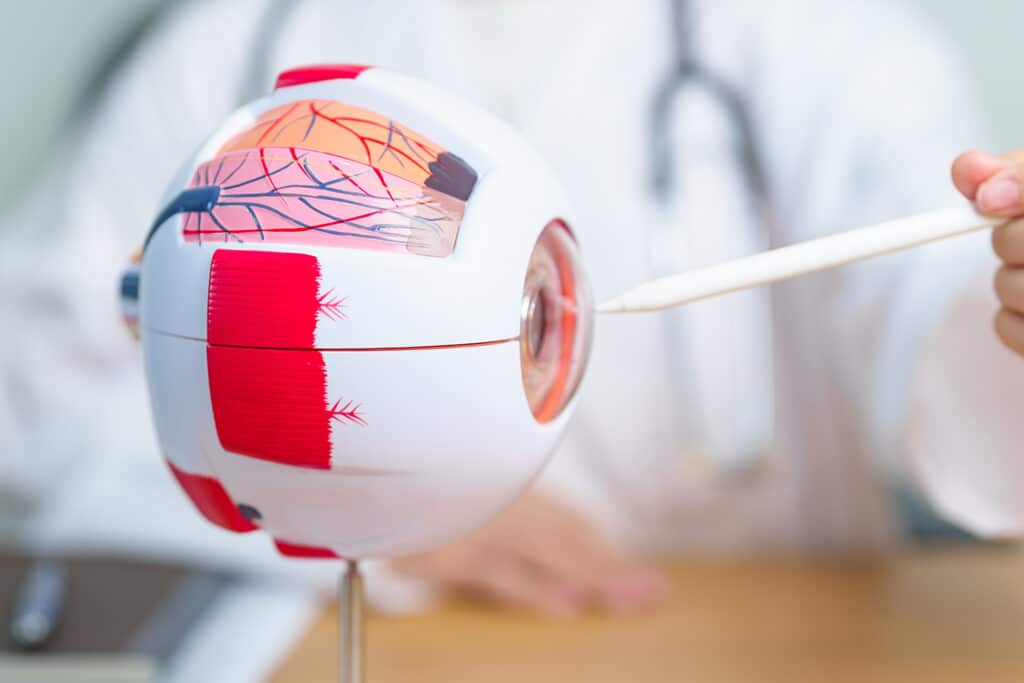
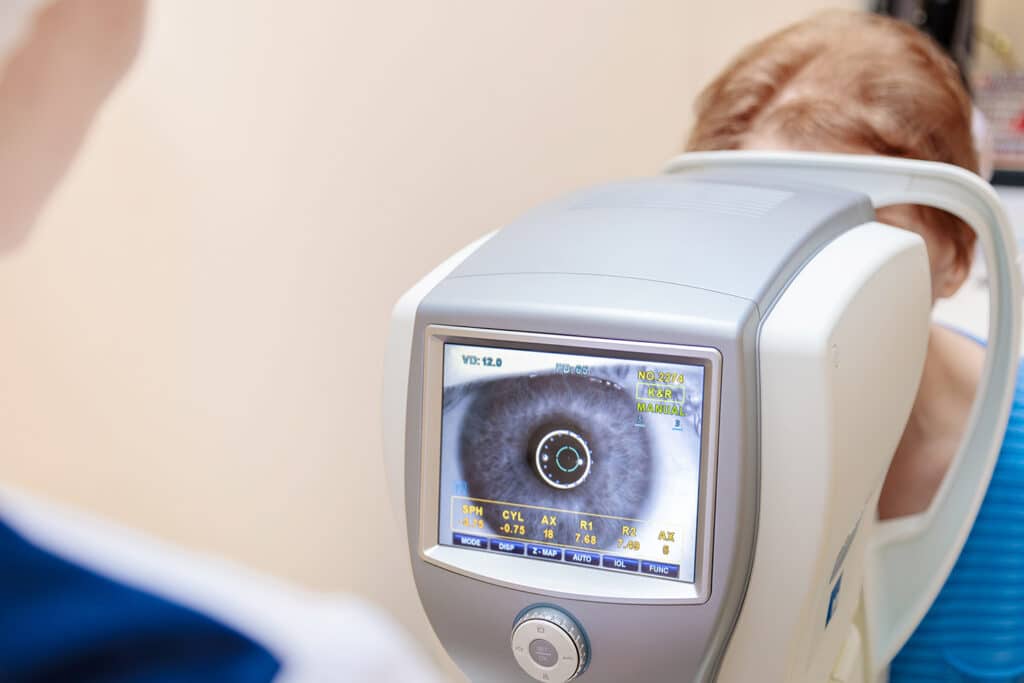
Combines refractive surgery and cornea surgery. Using the IntraLase® laser, the patient’s cornea is able to be removed and replaced, utilizing a ”tongue and groove” pattern to ensure a proper fit. The laser itself creates good adhesion, limiting the need for stitches.

A newer technique that reduces the risk of rejection of the donor cornea. The diseased outer layers of the cornea are removed, leaving the healthy innermost layer intact. Since the original inner layer is retained, the body does not recognize the donor tissue.

Using a small incision, the diseased Descemet’s membrane, or basement membrane, is removed, and replaced with a donor membrane.

A surgical procedure in which a severely damaged cornea is replaced with an artificial cornea, as opposed to donor cornea.

Pterygium is a benign thickening of the outer coating of the eye that grows onto the cornea. While there is no cure, laser surgery can be used to alleviate symptoms.

Repairs severe ocular surface disease. Cultured limbal stem cells from an undamaged eye can be transported to a damaged eye to regenerate new corneal epithelium. Performed in addition to corneal transplant.

Designed to treat corneal surface disease. Removal of the outer layer of the cornea, and subsequent smoothing of the cornea using a laser.

Cornea surgery used to remove corneal haze or blurry vision. Removal of the outermost layer of the cornea and the anterior stroma.

Either a partial or full laceration resulting from a scratch to the cornea. Irrigation, patching, and suturing may be used to correct the laceration; in some cases, laser surgery can also be used.

Treatment for Keratoconus. Corneal implants for individuals with nearsightedness that do not wish to undergo laser surgery.

⇧